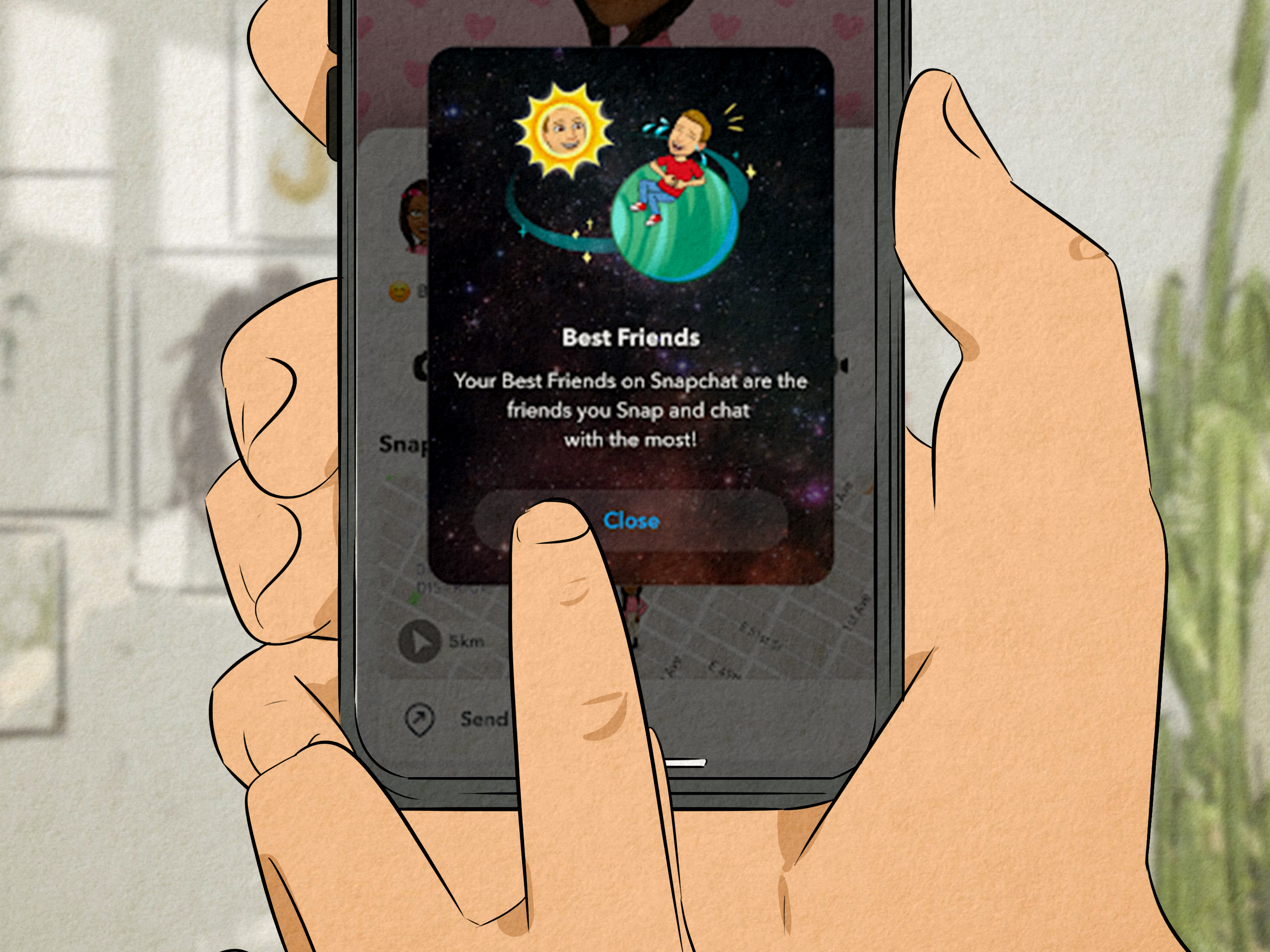
Ever found yourself scrolling through your Snapchat friend list, only to spot a peculiar planetary icon next to someone's name? If so, you're not alone in wondering what cosmic secret Snapchat is revealing. This intriguing feature, known as Snapchat Planets, has become a hot topic since its debut with Snapchat Plus, adding an entirely new dimension to how we perceive our digital connections.
At its core, Snapchat has ingeniously transformed your closest friendships into a personal solar system. Imagine yourself as the central sun, radiating influence, while your top eight most interacted-with friends orbit around you as distinct planets. Each planet's position signifies the unique closeness and frequency of your interactions, making it a dynamic, visually engaging best friend solar system guide. It's more than just a novelty; it's a sophisticated friendship ranking system, offering a unique peek into who truly occupies your digital space. But how exactly does this celestial ranking work, and what does it mean to be someone's Mercury versus their Neptune?
What Are Snapchat Planets and How Do They Work?
The Snapchat Planets feature is a standout perk exclusively available to subscribers of Snapchat Plus, the platform's premium subscription service. For a small monthly fee, Plus users unlock a suite of enhanced functionalities, and the friendship solar system is undoubtedly one of the most talked-about. If you're using the free version of Snapchat, these planetary insights remain a mystery, hidden beyond your reach.
The concept is remarkably intuitive: you are the sun, and your eight most frequently engaged-with friends become planets orbiting you. The closer a planet is to your sun, the stronger and more consistent your interaction with that friend. This isn't a random assignment; it's the result of a complex algorithm constantly analyzing your activity within the app. Every snap sent and received, every chat exchanged, every streak maintained – all these data points feed into the system to determine your cosmic lineup.
This dynamic system means your planet order can shift as your interactions change. A burst of conversations with one friend could see them move from a distant orbit to a closer one, reflecting the ebb and flow of real-life friendships. It’s a fascinating way to visualize your social circle, providing insights into who you’re genuinely connecting with the most on the platform. It offers a unique lens through which to understand your top eight connections, moving beyond mere numerical rankings to a more visual, symbolic representation. For a deeper dive into this dynamic feature, read our article on Decoding Snapchat Plus Planets: Understanding Your Top 8 Friends.
Decoding Your Cosmic Connections: The Snapchat Planets Order
The beauty of the Snapchat Planets feature lies in its simplicity and its direct correlation to our actual solar system's arrangement. This mirroring makes it incredibly easy to remember and understand the significance of each planet. The closer the planet is to the sun (you), the higher they rank in your best friend solar system, reflecting a stronger, more frequent connection. Here's the definitive order, starting from the closest and most active connections:
- Mercury (Best Friend #1)
- Venus (Best Friend #2)
- Earth (Best Friend #3)
- Mars (Best Friend #4)
- Jupiter (Best Friend #5)
- Saturn (Best Friend #6)
- Uranus (Best Friend #7)
- Neptune (Best Friend #8)
Each of these planets comes with its own visual flair and carries a specific weight in the context of your digital relationships. Understanding what each planet represents can give you a clearer picture of your closest Snapchat ties.
A Deep Dive into Each Snapchat Planet's Meaning
Beyond their order, each planet in your Snapchat solar system tells a story about your interaction level and the nature of your friendship. Let's break down what it truly means to have a friend as your Mercury, or to be someone's Neptune.
Mercury (Best Friend #1)
Mercury is the undisputed gold standard of your Snapchat Planets. If someone is your Mercury, it means you're snapping, chatting, and interacting with them more than anyone else on your list. This isn't just casual conversation; we're talking about daily interactions, constant streaks, and perhaps a friendship that extends beyond the app into your real life. Visually, Mercury often appears with small hearts orbiting it, a clear indicator from Snapchat that this connection is paramount. Being someone's Mercury feels significant; it confirms you're their primary contact for random thoughts, late-night chats, and probably way too many selfies. It signifies a profound level of digital intimacy and shared moments.
Venus (Best Friend #2)
Venus holds the coveted runner-up position in your Snapchat solar system. This friend is incredibly close, just a hair below Mercury in terms of interaction frequency. You likely snap them almost every day, perhaps maintaining strong streaks, but the sheer volume might be slightly less than your number one. Venus represents a rock-solid friendship, someone you rely on and communicate with consistently. They are an integral part of your daily digital life, often sharing a bond that feels almost as strong as your top connection, making them a true confidant.
Earth (Best Friend #3)
When a friend is your Earth, it signifies a stable and substantial connection. This person is firmly within your inner circle, a consistent presence in your Snapchat activity, though perhaps not with the intense, constant communication of Mercury or Venus. You share frequent snaps and chats, and streaks are likely maintained, but there might be slightly more breathing room between interactions. Earth friends are reliable, important pillars of your social network on Snapchat, representing a comfortable and enduring bond.
Mars (Best Friend #4)
Mars represents a strong and active friendship, indicating a person you interact with frequently, but with a noticeable dip in intensity compared to the top three. While you exchange snaps and chats regularly, it might not be a daily occurrence, or the volume of messages could be lower. Mars friends are definitely close, people you enjoy connecting with, but perhaps your primary focus is slightly elsewhere. It's a dynamic and engaged connection that remains highly valued.
Jupiter (Best Friend #5)
As your Jupiter, a friend occupies an important, albeit more distant, orbit in your Snapchat best friend solar system. Interactions are regular and meaningful, but less frequent or intense than those with your inner four planets. This could be a close friend you don't communicate with quite as often, or someone with whom you share specific interests that lead to bursts of interaction. Jupiter represents a significant friendship that might fluctuate in activity but remains a key part of your social landscape.
Saturn (Best Friend #6)
Saturn signifies a good friend with whom you maintain consistent but less intense engagement. You're still actively snapping and chatting, but the frequency has decreased further. This might be a friend from a different social circle, a long-distance connection, or someone you check in with periodically rather than daily. Saturn friends are valued connections, indicating a bond that endures even without constant, high-volume communication.
Uranus (Best Friend #7)
Uranus represents one of your more distant, yet still acknowledged, close connections within your top eight. Interactions with this friend are less frequent, perhaps occurring several times a week rather than daily. They are people you want to keep in touch with, but they aren't your primary go-to contacts on Snapchat. This planet symbolizes a valued connection that fits within your close circle, even if the digital touchpoints are more spaced out. To understand more about the subtle nuances of each rank, explore our article on What Each Snapchat Planet Means for Your Friend Ranking.
Neptune (Best Friend #8)
Neptune is the farthest planet in your Snapchat best friend solar system, representing the eighth closest friend. While still part of your top eight, your interactions with this person are the least frequent among the group. They are still a close connection, someone you definitely communicate with, but not with the regularity or intensity of your inner planets. Neptune acknowledges a friendship that matters, even if it resides on the outer edges of your most active Snapchat engagements.
Maximizing Your Snapchat Solar System: Tips for Friendship Management
The Snapchat Planets feature, while a fun and insightful tool, also offers a unique way to reflect on and even subtly influence your digital friendships. Here are some tips for navigating your cosmic connections:
- Consistent Interaction is Key: If you want to boost a friend's planet closer to your sun, the algorithm is simple: interact more! Send more snaps, engage in more chats, and keep those streaks alive. Snapchat's system heavily favors frequent, consistent engagement.
- Understand the Algorithm: Remember, it's not just about one interaction; it's about the cumulative effect. A few quick snaps might not shift a planet dramatically, but sustained daily communication will.
- Focus on Genuine Connections: While it's tempting to "game the system" for a particular planet ranking, the most fulfilling use of this feature is to let it organically reflect your true friendships. The planets often provide a visual confirmation of who you naturally gravitate towards.
- Don't Obsess Over Rankings: It's easy to get caught up in the social anxiety of "am I someone's Mercury?" or "why did my friend drop to Mars?" Remember that these are digital representations of complex human relationships. Real-life connections often transcend app metrics.
- Use it for Self-Reflection: The Snapchat Planets can be a powerful tool for self-reflection. Do your digital interactions align with your perceived closest friendships? It can highlight who you're genuinely spending your digital time with.
- It's a Private Perk: Keep in mind that only you (as a Snapchat Plus subscriber) can see your own best friend solar system. Your friends cannot see their position in your solar system, nor can you see theirs. This maintains a level of privacy while still offering personal insight.
Conclusion
The Snapchat Planets feature is a brilliant example of how social media platforms can gamify and visualize our online interactions. By transforming your closest friends into a personal solar system, Snapchat Plus offers a unique, engaging, and often revealing way to understand your digital social hierarchy. From the intense daily interactions of Mercury to the more distant, yet still valued, connections of Neptune, each planet tells a story about your friendship. While it’s a fun and informative way to track your closest connections, remember that the true strength of any friendship lies beyond a planetary icon, rooted in genuine connection and mutual support, both on and off the app.